
You’ve probably seen the warning: lead paint dust can be dangerous. But if you’re a Michigan builder or remodeler working on homes built before 1978, that warning isn’t just good advice — it’s the law.
Getting your RRP Lead Paint Certification isn’t a “nice-to-have.” It’s a legal requirement that protects your clients, your crew, and your business from costly fines and serious health risks. Let’s break down why certification matters, what the rules actually say, and how easy it is to get compliant before your next project.
What the RRP Rule Really Means
The EPA’s Renovation, Repair, and Painting (RRP) Rule applies to anyone who disturbs painted surfaces in residential properties, child-care facilities, or schools built before 1978. That includes:
Builders
Remodelers
Painters
Maintenance contractors
Property managers
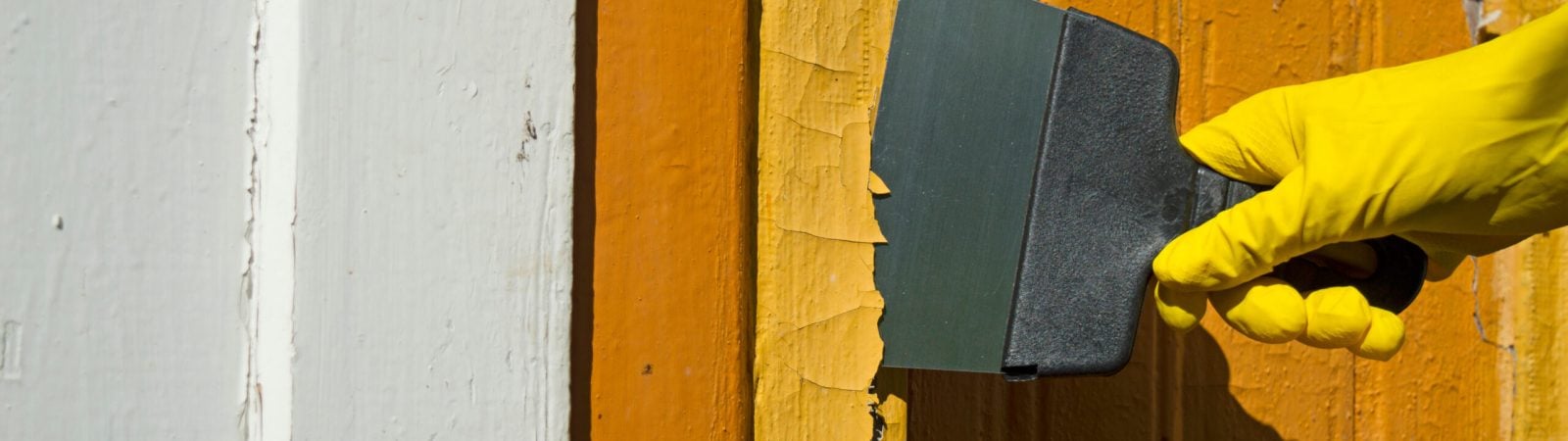
If your work involves sanding, scraping, or replacing surfaces that might contain lead-based paint — you’re required by federal law to be RRP certified.
Why Certification Matters for Builders
(1) Protect Your Clients and Crew
Lead dust doesn’t look dangerous, but even tiny particles can cause serious health issues — especially for children and pregnant women. Certification ensures you and your team follow the safest work practices to prevent exposure.
(2) Avoid Fines That Can Crush Your Profits
Ignoring RRP rules can cost you up to $41,000 per day, per violation. (Yes, you read that right.)
That’s the kind of mistake that can shut down a small construction business overnight.
Getting certified costs far less — and saves your reputation.
(3) Boost Credibility with Clients and Inspectors
When you’re RRP certified, you’re not just compliant — you’re trustworthy. Clients notice when contractors prioritize safety and professionalism. You’ll also have an easier time winning bids on renovation projects that require proof of certification.
(4) Stay Competitive in Michigan’s Older-Home Market
Michigan’s housing stock includes thousands of pre-1978 homes. That means RRP compliance isn’t niche — it’s a competitive advantage. Builders who can legally and safely work on older homes instantly gain access to more projects.
What It Takes to Get Certified …
It’s simpler than most builders think. Here’s the process in Michigan:
Enroll in an EPA-approved training course like the one offered by the Michigan Institute of Real Estate.
Attend a one-day hands-on class led by a certified instructor.
Pass the course exam — no state test required.
Receive your RRP Lead-Safe Certification, valid for five years.
Once certified, you’re legally cleared to handle renovations on pre-1978 structures — and your name is added to the EPA’s national list of certified firms.
The Bottom Line …
If you’re a Michigan builder working on older homes, RRP certification isn’t optional — it’s essential. It protects your crew, your clients, and your business, while opening the door to safer, higher-value projects. At the Michigan Institute of Real Estate, we make the process fast, easy, and fully compliant. One day of training can save you from years of risk.
Ready to get certified and stay compliant?
Enroll in the EPA-Approved RRP Lead Paint Certification Course and protect your business — and your reputation.