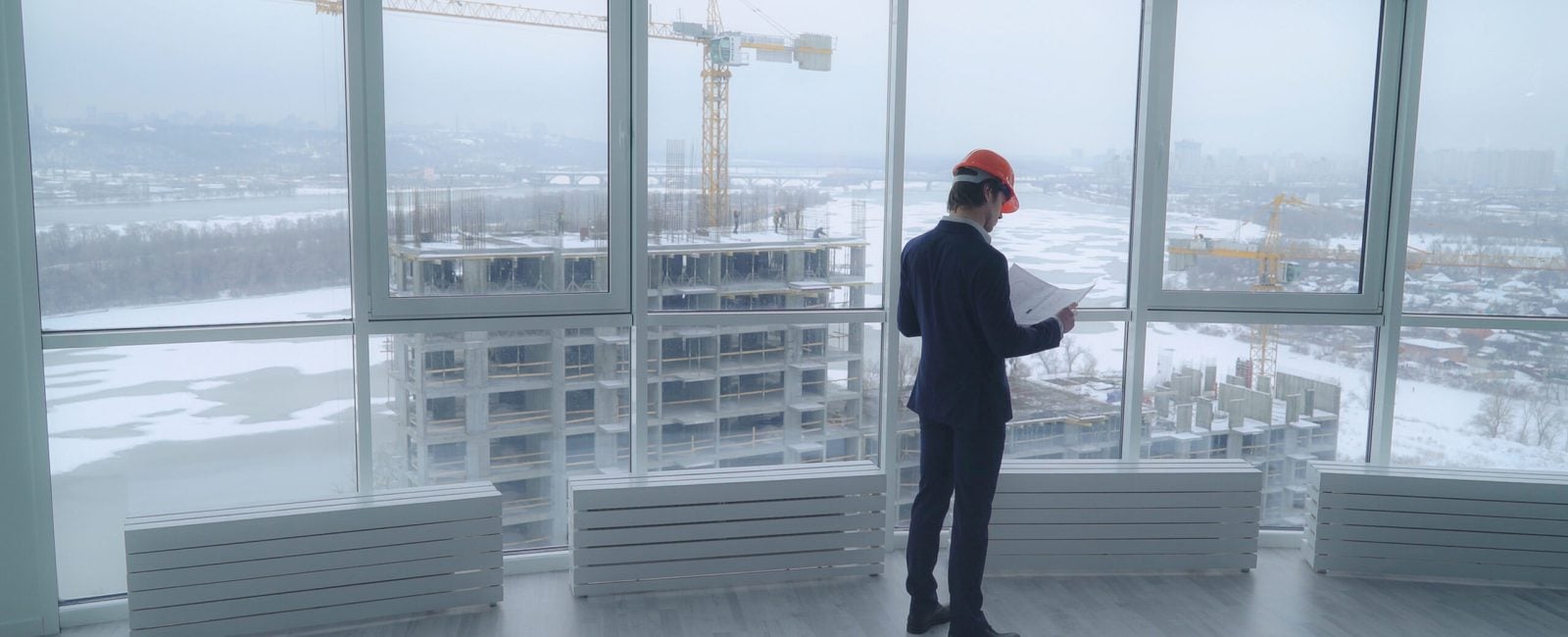

Winter construction in Michigan comes with a unique set of challenges. Cold temperatures, snow, and shorter daylight hours can affect timelines, materials, and job site safety. Builders who plan ahead can still take on winter projects successfully, while those who do not often face delays, added costs, and frustrated clients.
If you are considering winter work, here is what you should know before committing to cold weather projects.
Weather Impacts More Than Just Scheduling
Michigan winters are unpredictable. Snowstorms, freezing rain, and extreme cold can slow or stop work altogether. These conditions affect not only productivity but also safety and material performance.
Builders should plan for:
- Weather-related delays built into contracts
- Flexible timelines that account for snow removal or frozen ground
- Reduced daylight hours that limit working time
Clear communication with clients upfront helps manage expectations and reduces disputes later.
Material Selection Matters in Cold Temperatures
Not all construction materials perform well in winter conditions. Adhesives, concrete, paint, and sealants often have minimum temperature requirements to cure or set properly.
Before starting a winter project, builders should:
- Review manufacturer guidelines for cold weather use
- Store materials in temperature-controlled environments when required
- Adjust installation methods to protect material integrity
Using the wrong materials or rushing installation can lead to long-term performance issues and costly repairs.
Job Site Safety Requires Extra Attention
Winter conditions increase the risk of slips, falls, and equipment-related accidents. Snow, ice, and limited visibility create hazards that builders must actively manage.
Important safety considerations include:
- Regular snow and ice removal
- Proper lighting during shorter days
- Cold weather protective gear for crews
- Equipment checks to ensure safe operation in freezing conditions
Maintaining a safe job site protects workers and reduces liability exposure.
Permits and Inspections May Take Longer
Local permitting offices and inspectors may operate on reduced schedules during winter months or experience delays due to weather conditions.
Builders should:
- Apply for permits earlier than usual
- Schedule inspections with extra lead time
- Communicate proactively with inspectors and municipalities
Planning ahead prevents downtime while waiting for approvals.
Winter Is a Smart Time for Continuing Education
When outdoor work slows, winter becomes an ideal season to complete required education and certifications. Michigan builders must stay compliant with licensing requirements, and completing continuing education early helps avoid renewal stress later.
Winter is also a good time to:
- Refresh knowledge of building codes
- Update safety training
- Prepare for upcoming licensing renewals
The Michigan Institute of Real Estate offers Michigan-approved builder courses that can be completed online, making it easier to stay productive during slower months.
The Bottom Line …
Winter projects in Michigan can be successful with proper planning, realistic timelines, and a strong focus on safety and materials. Builders who prepare for seasonal challenges protect their reputation, their crews, and their bottom line.
Taking advantage of slower winter periods for education and planning can also set builders up for a stronger, more efficient building season ahead.